Career advice & resources
Straight answers on work, rights, and wellbeing, written for neurodivergent professionals in the UK.
Filtersreasonable adjustments

How to find ADHD-friendly employers in the UK
A Disability Confident badge at Level 1 only commits an employer to offering you an interview — not to supporting you once you are in the role. Here is what genuine ADHD-friendly employment actually looks like, and the questions to ask before you say yes.

ADHD and meetings at work: what you can ask for and what actually helps
Meetings stack every hard thing about ADHD at once — passive attention, working memory, impulse control, time blindness. Here is what you can ask for as a reasonable adjustment, and what helps when you cannot reduce the load.

ADHD and remote work in the UK: does it actually help?
Remote work removes commutes, open-plan noise, and social overload. For many ADHD brains, that's a genuine improvement. But reduced external structure and isolation create their own problems. Here's the honest picture — and what to do about it.

ADHD interview tips: how to prepare, ask for adjustments, and hold your nerve (UK)
ADHD makes interviews harder in predictable ways: time blindness, working memory gaps, rejection sensitivity. Here is how to handle each one, plus the reasonable adjustments you are entitled to ask for under UK law.

ADHD burnout at work: signs, causes, and how to recover
ADHD burnout is not ordinary tiredness. It is the collapse that follows months of compensating for executive function challenges in a workplace not designed for your brain. Here is how to recognise it and what recovery actually looks like.

ADHD medication and work: what UK employees need to know
You are not legally required to tell your employer what medication you take. ADHD medication is a private medical matter, separate from your diagnosis. Here is what UK law actually says, and how to manage medication around a working day.

Access to Work in 2026: what it funds, who is eligible, and the truth about waiting times
Access to Work is a UK grant (not a loan) that funds job coaches, software and support for neurodivergent workers. How to apply in 2026.
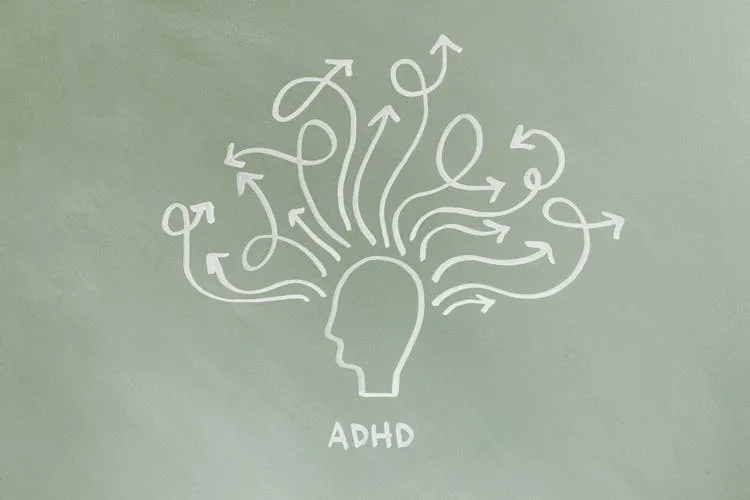
Just been diagnosed with ADHD: what do I tell my employer?
You are not legally required to tell your employer. But disclosure can unlock adjustments, legal protection, and Access to Work funding. Here is how to think through the decision.

Job searching as a neurodivergent person: a complete UK guide
From writing a CV with gaps and a non-linear career, to requesting interview adjustments and finding employers who mean it when they say inclusive - everything neurodivergent adults need to navigate the UK job market.

Managing interview anxiety as a neurodivergent person
Interviews demand exactly the skills that are often hardest for neurodivergent people - real-time social processing, unpredictability, masking under pressure. What actually helps, and what adjustments you can ask for.
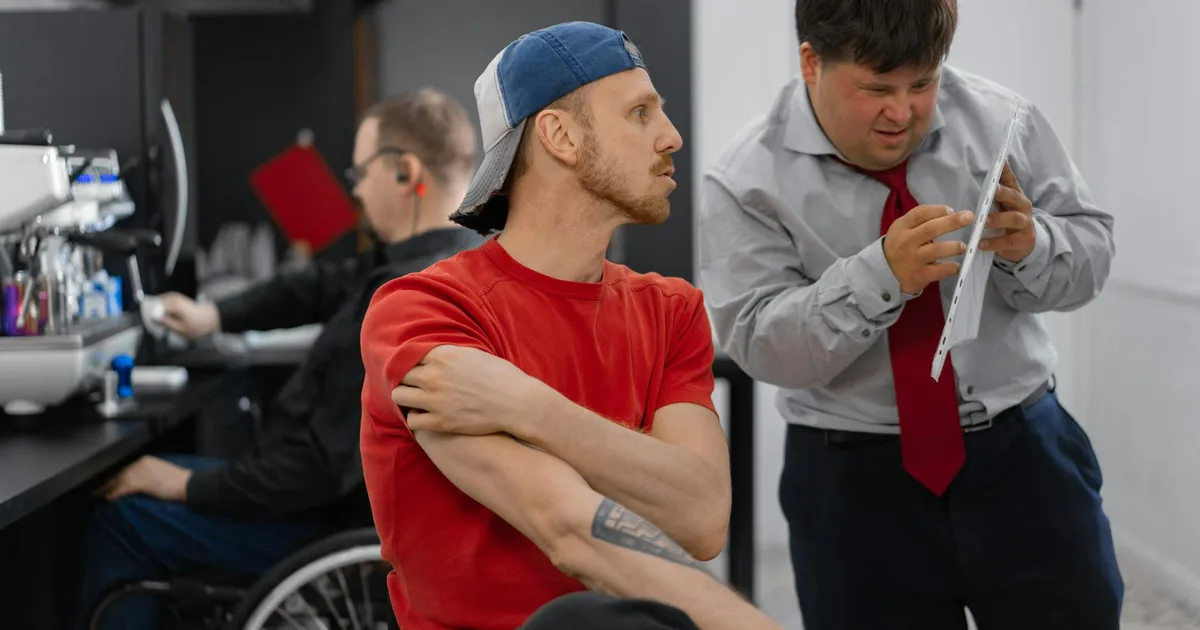
Autism and work: a complete UK guide to employment rights, adjustments and thriving
From your legal rights under the Equality Act to sensory adjustments, communication strategies and finding the right employer - everything autistic adults need to navigate UK employment.

Communication differences at work: a guide for autistic adults
Autistic communication differences - directness, literal language, different processing speeds - are consistently misread in neurotypical workplaces. This guide covers what is actually happening and how to navigate it without having to fully change who you are.
Ready to find employers who've done the work?
Every employer on NHN had to answer real questions about adjustments, flexibility, and sensory-friendly workplaces.
Browse jobs