Career advice & resources
Straight answers on work, rights, and wellbeing, written for neurodivergent professionals in the UK.
Filtersautism

Access to Work in 2026: what it funds, who is eligible, and the truth about waiting times
Access to Work is a UK grant (not a loan) that funds job coaches, software and support for neurodivergent workers. How to apply in 2026.

Job searching as a neurodivergent person: a complete UK guide
From writing a CV with gaps and a non-linear career, to requesting interview adjustments and finding employers who mean it when they say inclusive - everything neurodivergent adults need to navigate the UK job market.

Writing a CV when you are neurodivergent: what to include, what to leave out
Gaps, non-linear career paths, intense periods of self-directed work - neurodivergent CVs often do not fit the standard template. How to frame what you have done in a way that works without hiding who you are.

Managing interview anxiety as a neurodivergent person
Interviews demand exactly the skills that are often hardest for neurodivergent people - real-time social processing, unpredictability, masking under pressure. What actually helps, and what adjustments you can ask for.
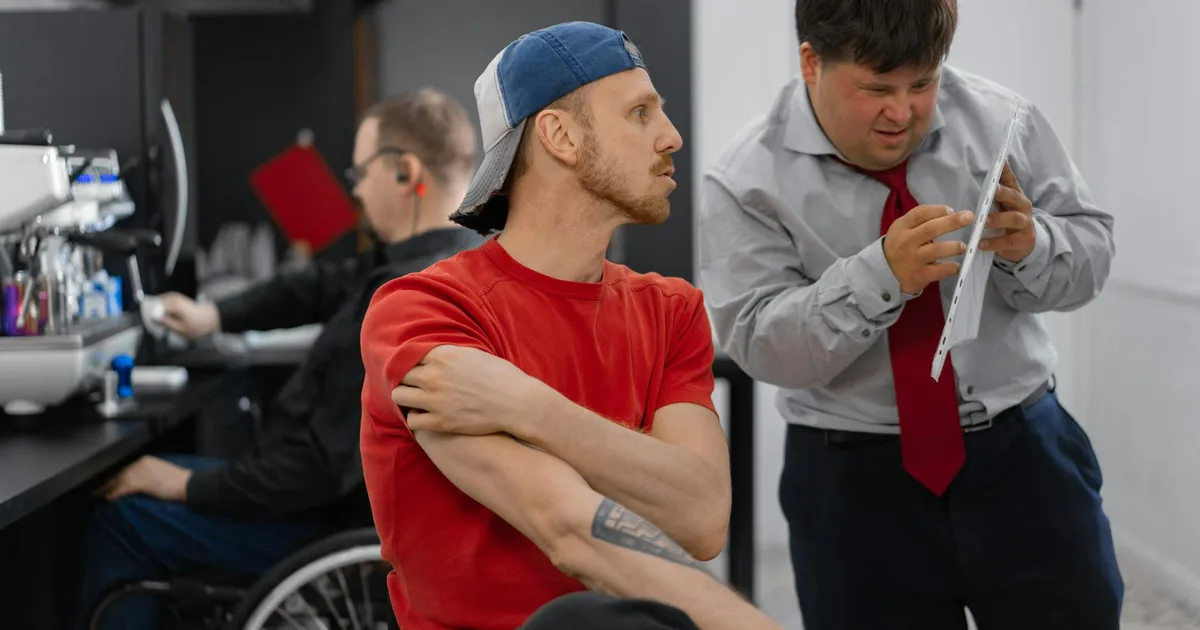
Autism and work: a complete UK guide to employment rights, adjustments and thriving
From your legal rights under the Equality Act to sensory adjustments, communication strategies and finding the right employer - everything autistic adults need to navigate UK employment.

Communication differences at work: a guide for autistic adults
Autistic communication differences - directness, literal language, different processing speeds - are consistently misread in neurotypical workplaces. This guide covers what is actually happening and how to navigate it without having to fully change who you are.

Handling change and uncertainty at work when you are autistic
Unexpected changes, restructures and shifting expectations create specific difficulties for autistic adults - not because of inflexibility, but because predictability is a functional need, not a preference. Here is how to manage it.

Why burnout hits neurodivergent people harder (and what helps first)
Neurodivergent burnout is not the same as ordinary work stress. Masking all day, sensory overload, and the cognitive load of navigating environments built for different brains all compound each other. This is what is actually happening - and what helps first.

How to ask for flexible hours or remote work
There are two completely different legal routes to requesting flexible hours or remote work - and which one you use changes what your employer is actually required to do. Here is how to choose and how to put the request in writing.

The real cost of masking at work (and gentler alternatives)
Why hiding stims and forcing eye contact exhausts you - and small shifts that protect your energy without risking your job.

Turn a deep interest into a career (without burning the joy out of it)
How to test whether a passion can pay the bills - and roles that use intensity without demanding 24/7 hustle.

Sensory overload at work: spot it early, recover faster
Triggers to watch for in open-plan offices and back-to-back calls - plus recovery that doesn't mean quitting on the spot.
Ready to find employers who've done the work?
Every employer on NHN had to answer real questions about adjustments, flexibility, and sensory-friendly workplaces.
Browse jobs